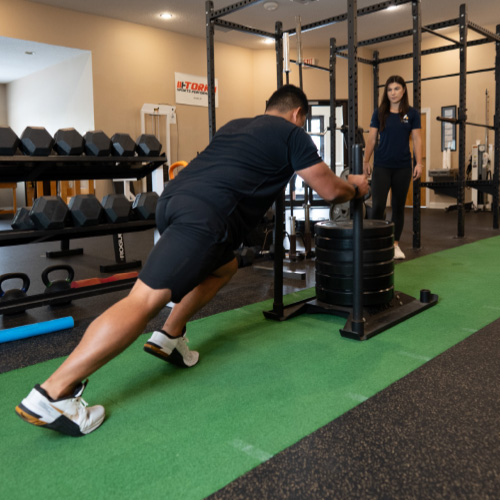
A Strength & Movement-Based Approach at Atlas Physical Therapy
If you’re a runner struggling with heel pain, you’re not alone. Plantar fasciitis accounts for up to 10% of all running-related injuries, and it can make even a few steps feel painful — let alone a training run.
The frustrating part?
Most of the information online is confusing, outdated, or contradictory.
At Atlas Physical Therapy, our physical therapists specialize in helping runners overcome plantar fasciitis using strength-based, evidence-driven rehabilitation. We don’t just calm symptoms — we teach your body to tolerate load, move better, and return to running with confidence.
Request an appointment today, and let us help you get back to what you love.
Why Runners Develop Plantar Fasciitis
Plantar fasciitis (more accurately “plantar fasciopathy”) is no longer viewed as an inflammatory problem. Current research shows it’s a load-intolerance condition, meaning the plantar fascia becomes sensitive and painful when the forces placed on it exceed what the tissue is prepared to handle. For runners, several factors can contribute to this.
1. Limited Ankle Dorsiflexion (a well-established risk factor)
Studies consistently show that runners with reduced dorsiflexion have a higher likelihood of developing heel pain. Limited DF increases strain on the fascia, especially during push-off.
Common reasons dorsiflexion becomes restricted include previous ankle or foot injuries and prolonged heel-elevated footwear like work boots, running shoes with large drops, or dress shoes.
2. Calf & Intrinsic Foot Weakness
Weak tissues absorb force poorly. When the plantar fascia is overloaded because surrounding tissues aren’t doing their job, it becomes irritated.
3. Sudden Changes in Training Load
New mileage, new shoes, new surfaces, speed phases, or returning from time off can exceed tissue tolerance.
4. Higher Body Mass Index (BMI)
This is a known independent risk factor because it increases force through the foot with each step.
5. Prolonged Standing or Hard Surfaces
Teachers, nurses, warehouse workers, and hospitality staff commonly experience plantar fasciitis even if they are not runners.
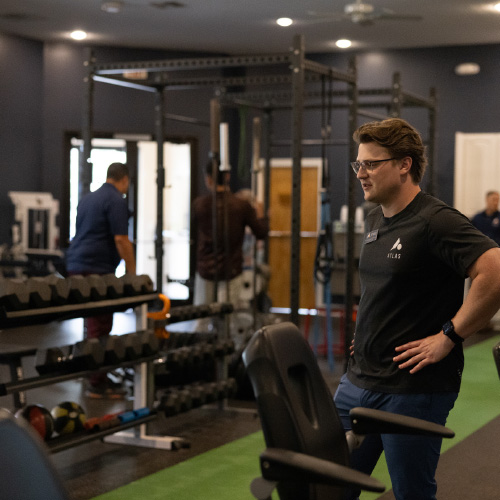
How Physical Therapy Helps Runners Recover Faster
Historically, heel pain was thought to take 6–18 months to recover. Modern research — and our clinical outcomes at Atlas Physical Therapy — show that with proper strength-based loading, many runners improve significantly in 6–12 weeks. Here’s how we do it:
1. Comprehensive Biomechanical Evaluation
We assess:
- Ankle dorsiflexion and mobility
- Calf strength (gastroc & soleus separately)
- Intrinsic foot strength
- Single-leg stability and mechanics
- Running form, cadence, and footwear
- Training volume and recent changes
- Lifestyle factors (BMI, work demands, standing duration)
This tells us why the fascia is overloaded — the key to long-term resolution.
2. Restore Motion Where Needed (Not Everywhere)
If dorsiflexion is limited, we target it with:
- Joint-specific mobility
- Soft-tissue techniques
- Active end-range strengthening
Mobility changes only matter if they’re reinforced with strength and load — which is where Atlas excels.
3. Heavy–Slow Resistance Training (HSR) for the Calf Complex
This is the gold standard.
Research shows that progressive calf strengthening:
- Reduces plantar fascia strain
- Improves tissue load tolerance
- Produces faster and more durable outcomes than stretching alone
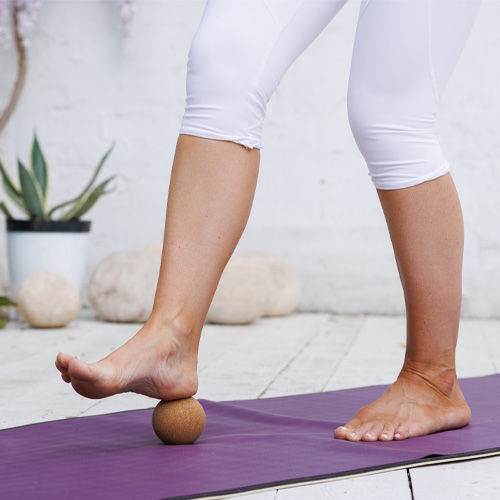
4. Intrinsic Foot Strengthening
Weak foot muscles = more load to the fascia.
This will improve foot mechanics and durability under running loads.
5. Smart Use of Pain-Modifying Tools
While strength is the long-term solution, certain strategies help you stay functional while the tissue adapts. These may include taping for short-term support, temporary inserts or heel cups, manual therapy for symptom modulation, and activity modification (not rest).
These reduce discomfort so you can keep training safely.
6. A Structured Return-to-Run Program
This also includes preventative strength programming to maintain progress and clear, actionable rules on:
- When to advance
- When to hold
- When to temporarily reduce training
This ensures a confident, sustainable return to running.
7. Prevention: Keeping the Pain From Coming Back
We give you a simple, maintainable foot and calf strength program that runners can incorporate 2–3 days per week.
Because plantar fasciitis isn’t just about getting pain-free — it’s about staying that way.
Get Back to Running With Atlas Physical Therapy
At Atlas Physical Therapy, we use modern, evidence-based, strength-focused rehabilitation to help runners eliminate heel pain and return to the sport they love.
If plantar fasciitis is keeping you from running, walking, or even daily activities, you don’t need months of waiting and guessing — you need a clear plan.
Request an appointment today and let our specialists guide you every step of the way.

Your Success Is Our Priority!
Return to Atlas Physical Therapy and Let’s Continue Your Journey to Wellness Together. Schedule Your Appointment Now!
Take Your Rehab Further with the AlterG Anti-Gravity Treadmill
At Atlas Physical Therapy, we’re always looking for ways to help patients move better, heal faster, and feel more confident throughout recovery. One of the most advanced tools we use to make that happen is the AlterG Anti-Gravity Treadmill™- a technology that uses differential air pressure to reduce the amount of body weight you place on your joints while walking or running.
By creating a partial-gravity environment, the AlterG lets you move naturally with far less impact. That means you can begin walking or weight-bearing earlier after an injury or surgery, without the usual pain or stress on your knees, hips, ankles, or feet. Patients recovering from ACL tears, joint replacements, stress fractures, or sports injuries often find the AlterG incredibly helpful for rebuilding confidence and strength.
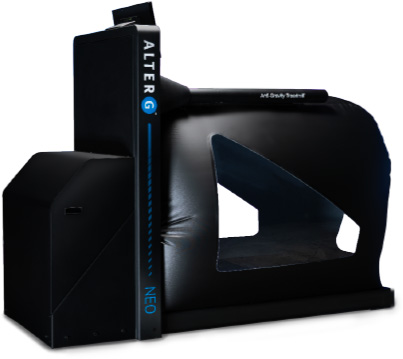
Because the AlterG supports your body weight, it also improves gait training, allowing your therapist to correct movement patterns safely and effectively. It’s equally beneficial for those managing chronic conditions like arthritis, neurological disorders, or general deconditioning, making exercise more comfortable and accessible.
Each session is personalized to your needs, with your therapist adjusting the level of support to help you progress at the right pace.
If you’re looking for a safer, smarter way to return to walking, running, or daily activity, ask us how the AlterG can be part of your recovery plan.
Exercise of the Month
TOWEL CURLS
Sit in a chair with your feet flat on the floor and a small towel placed under your toes. Using only your toes, scrunch the towel toward you, curling and gripping it with your feet. Relax and repeat. This strengthens the foot muscles and supports arch control.
3 Sets, 10 Reps. (Materials needed: chair, small towel)

This Cranberry Sparklers Mocktail recipe is a bright, festive drink that’s refreshing, flavorful, and fun to sip any time of year. It’s an easy way to enjoy a bubbly, alcohol-free treat that feels special without the fuss.
Enjoy This Seasonal Recipe!
Cranberry Sparklers Mocktail
- 1 cup cranberries (thawed if frozen), plus more for garnish
- 1/4 cup sugar
- 1/2 teaspoon orange bitters
- 1 750-ml bottle sparkling non-alcoholic dry wine, chilled
- Seltzer, chilled, for topping
Muddle the cranberries with the sugar in a small bowl until the cranberries are in small bits and the sugar is dissolved. Strain into a large liquid measuring cup and stir in the bitters. (This can be done a day ahead; cover and refrigerate.)
For each drink, add 1 ounce of the cranberry mixture to a glass filled with ice. Top with about 4 ounces sparkling wine and a splash of seltzer. Garnish with cranberries.
Thank you for subscribing
to Atlas Physical Therapy
Follow Us on Social Media!

Follow the buttons below to find Atlas Physical Therapy on your favorite social media sites and stay up to date with what happens around our clinic!
Safe Running Tips to Prevent Injury
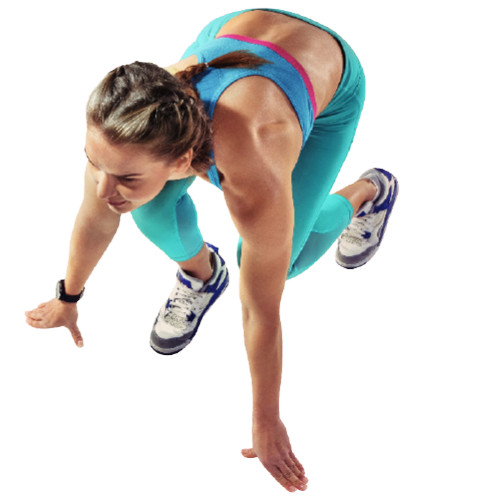
Running is a fantastic way to stay active, improve cardiovascular health, and boost mental well-being. However, improper running techniques or neglecting your body’s needs can lead to injuries. Whether you’re a seasoned runner or just getting started, here are some essential tips to keep you running safely and pain-free.
1. Warm Up Properly
Jumping straight into a run without warming up can put undue stress on your muscles and joints. Before you run, spend at least 5–10 minutes doing dynamic stretches such as leg swings, high knees, or lunges. This helps increase blood flow and prepares your body for movement.
2. Wear the Right Footwear
Not all running shoes are created equal. Choose shoes that provide proper arch support and cushioning for your specific foot type. If you’re unsure, consider getting a professional gait analysis to find the best shoe for your needs.
3. Listen to Your Body
Pain is your body’s way of signaling something is wrong. If you experience persistent discomfort in your feet, knees, hips, or lower back, take a break and assess what might be causing it.
4. Increase Mileage Gradually
A common mistake among runners is increasing mileage too quickly. Follow the 10% rule—do not increase your weekly running distance by more than 10% to avoid overuse injuries.
5. Cool Down & Stretch
After a run, take time to cool down with a slow jog or walk followed by static stretching. Stretching helps improve flexibility and prevent tightness that can lead to injuries.
6. Stay Hydrated & Fuel Properly
Dehydration and poor nutrition can lead to cramps, fatigue, and decreased performance. Drink water throughout the day and refuel with a balanced mix of carbohydrates and protein after your run.
If you experience persistent pain or an injury, our clinic is here to help! Schedule an appointment with us to ensure you’re running safely and efficiently.
Our Patients Get Great Results
“My experience at Atlas Physical Therapy has far exceeded my expectations. The staff is a collective group of talented and experienced therapists and office staff. They have managed to establish a unified approach and, although you may have a lead therapist, any of the other therapists can step in because they’re familiar with your case. The greatest gift they have given me is HOPE! I see my progress and they are always challenging me…in the ‘safest’ way. Each time I walk in for my session…my spirits rise and I’m filled with a sense of joy and progress. Safety is a priority and the environment they’ve established spurs me on to do my best. Currently under the care of “Dr. Matt” who has set the bar quite high. I truly am grateful that I’m now under their care and making progress! That’s the GIFT! A team effort between patients and staff that starts with a great smile and welcome from Aubrey! I recommend the facility highly! Gratitude abounds! Aloha! “
— Judith G.
Refer a Friend

If you’ve experienced the outstanding care at Atlas Physical Therapy, why not share it with your friends? Referring them means giving them access to personalized treatment that can make a real difference in their health and well-being. Help them find a trusted healthcare partner—refer a friend to Atlas Physical Therapy today!