Rotator cuff injuries are among the most common shoulder problems we see at Atlas Physical Therapy. While these injuries are often associated with sports, they can also result from everyday activities and age-related changes.
Understanding how the rotator cuff works and why injuries occur can help you take the right steps toward recovery and long-term shoulder health.
A Closer Look at the Rotator Cuff
To understand the rotator cuff, you need to understand the shoulder.
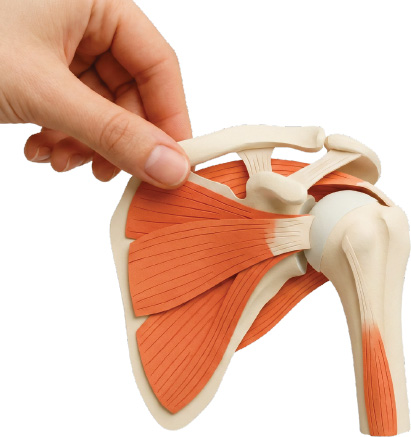
The shoulder is a complex ball-and-socket joint that connects three bones (the upper arm bone, the shoulder blade, and the collarbone) and allows for a wide range of mobility. This joint is supported by a group of muscles and tendons called the rotator cuff.
The rotator cuff has two primary jobs:
- Keeping the ball of the upper arm centered within the shoulder socket
- Controlling shoulder movement during lifting, reaching, and overhead activities
These muscles work continuously behind the scenes. Every time you raise your arm, carry an object, or reach overhead, the rotator cuff helps stabilize the joint and coordinate movement.
How Can The Rotator Cuff Become Injured?
Rotator cuff injuries generally develop gradually over time, often due to multiple factors that strain the muscles and tendons. Here are some of the common ones we see at Atlas Physical Therapy:
Repetitive Overhead Activity
Sudden Increases in Activity
Age-Related Changes
Weakness and Movement Deficits
How Atlas Physical Therapy Approaches Rotator Cuff Rehabilitation
Successful rehabilitation focuses on restoring the shoulder’s ability to tolerate load and movement. We work to accomplish this by helping your tissues adapt through progressive exercise and training.
Step 1: A Comprehensive Evaluation
The rehab process begins with a detailed evaluation to help our team better understand your symptoms, movement patterns, and activity goals. This allows us to identify the factors contributing to your injury so we can address them directly.
Step 2: Managing Pain While Staying Active
We don’t recommend complete rest when you’re recovering from injury. Instead, modified activity will help you maintain strength while boosting your body’s natural recovery processes.
Step 3: Progressive Strength Training
Exercise is one of the most effective treatments for many rotator cuff conditions. Your rehabilitation program will focus on targeted strength training that helps improve the shoulder’s ability to tolerate everyday demands while reducing strain on irritated tissues. In addition to the rotator cuff muscles themselves, we might also work on your shoulder blade stabilizers, upper back muscles, and core.
Step 4: Improving Shoulder Capacity
Many rotator cuff injuries occur when physical demands exceed the body’s current capacity, so we’ll focus on increasing that capacity with a progressive plan to build endurance and power and improve coordination.
Step 5: Return to Activity and Sport
As your symptoms improve, rehabilitation will shift to focus on helping you meet your specific recovery goals, whether that’s reaching overhead without pain or getting back on the tennis court.
A Stronger Shoulder Starts With Understanding the Problem
Rotator cuff injuries are common, but they don’t have to limit your ability to stay active.
Because these injuries often develop when physical demands exceed the shoulder’s current capacity, the right combination of exercise, strength training, and progressive loading can help you find relief.
Contact Atlas Physical Therapy today to learn more about our proactive approach to managing rotator cuff injuries.

Your Success Is Our Priority!
Return to Atlas Physical Therapy and Let’s Continue Your Journey to Wellness Together. Schedule Your Appointment Now!
Exercise of the Month
SHOULDER EXTENSION SIDE LYING
Lie on your side with a pillow supporting your head. Put a towel under your elbow with your arm bent. Rotate your arm up. Pause briefly, then return to the starting position.
3 Sets, 10 Reps (each arm).
(Materials needed: floor mat, light weight)

Cool off with these naturally sweet homemade popsicles packed with fresh strawberries, banana, and creamy vanilla yogurt. They’re refreshing, easy to make, and perfect for hot summer days.
Enjoy This Featured Recipe!
Strawberry & Banana Popsicles
- 1 pound strawberries, washed and stems removed
- 1 large, ripe banana
- 1/2 cup vanilla yogurt
- 1/2 cup milk
- sugar to taste (optional: let the fruit do the work instead!)
Add the strawberries, banana, milk, and yogurt to the bowl of a food processor or blender and blend until smooth. Taste and add sugar if needed, depending on the ripeness of your fruit and your taste preferences. Pour the liquid into popsicle molds (or even paper cups), insert the handles, and freeze until firm, generally overnight. Enjoy frozen the next day.
Thank you for subscribing
to Atlas Physical Therapy
Follow Us on Social Media!

Follow the buttons below to find Atlas Physical Therapy on your favorite social media sites and stay up to date with what happens around our clinic!
Why Rest Isn’t Always The Answer for Rotator Cuff Pain
When shoulder pain shows up, the first instinct is often to stop using the arm and wait for the pain to go away. While a short period of reducing aggravating activities can be helpful, complete rest is not always the best solution for rotator cuff pain.
Your rotator cuff is made up of muscles and tendons that help stabilize and move the shoulder. Like other tissues in the body, these structures respond and adapt to the demands placed on them. When activity levels suddenly drop for an extended period, the shoulder can become weaker, stiffer, and less prepared to handle everyday tasks.
Think of your shoulder like a fitness level. If you stop exercising completely, your strength and endurance begin to decrease. The same concept applies during rehabilitation. The goal is often not to eliminate movement, but to find the right amount of movement that your shoulder can tolerate while it recovers.
Many cases of rotator cuff pain are related to how much load the shoulder is handling compared to its current capacity. This is why gradual, progressive exercise is often a key part of recovery. Appropriate movement helps maintain strength, improve circulation, and build the shoulder’s tolerance to activity over time.

At Atlas Physical Therapy, we often encourage patients to think about rehabilitation as a form of training. Rather than avoiding movement altogether, we focus on identifying exercises and activities that allow the shoulder to stay active without continually aggravating symptoms. As strength and capacity improve, the shoulder becomes better equipped to handle work, sports, and daily activities.
If you’re dealing with rotator cuff pain, remember that recovery is rarely about doing nothing. More often, it’s about finding the right balance between protecting the shoulder and continuing to move it in a way that promotes healing and long-term resilience.
Refer a Friend

If you’ve experienced the outstanding care at Atlas Physical Therapy, why not share it with your friends? Referring them means giving them access to personalized treatment that can make a real difference in their health and well-being. Help them find a trusted healthcare partner—refer a friend to Atlas Physical Therapy today!