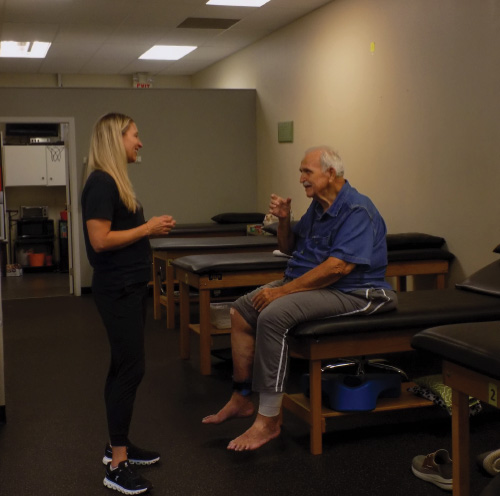
A stronger, more active way to understand knee pain – and build your way back.
Knee pain can show up in a lot of ways.
For some people, it is a dull ache after a long walk. For others, it is sharp pain with stairs, squats, running, or getting back into a sport. Sometimes it starts after a clear injury. Other times, it slowly builds until the things you used to do without thinking suddenly feel limited.
Either way, the goal should not be to simply quiet the pain for a few days.
The goal is to understand why the knee is being stressed, what your body is having trouble handling, and how to build your way back with a plan that makes sense.
At Atlas, we look at knee pain through a movement and performance lens. Whether you are an athlete, an active adult, a weekend runner, or someone who just wants to walk, climb stairs, and stay independent, your rehab should help you move better, get stronger, and trust your knee again.
The Knee Is Often Not the Whole Story
One of the biggest mistakes people make with knee pain is assuming the knee is always the source of the problem.
Sometimes it is. Conditions like arthritis, meniscus irritation, ligament sprains, patellofemoral pain, IT band symptoms, or post-surgical weakness can all directly affect the knee.
But the knee also sits between the hip and the foot. That means it often takes the stress when something above or below it is not doing its job well.
– A stiff ankle can change how you squat, walk, or go down stairs.
– Weakness around the hip can allow the knee to collapse inward.
– Poor foot mechanics can alter how force travels through the leg.
– Strength deficits can make the knee absorb more force than it is ready for.
So while pain may be felt at the knee, the solution often requires looking at the entire lower body.
Rehab Should Be Active, Specific, and Progressive
Passive treatment may help symptoms feel better temporarily, but it usually does not solve the bigger issue.
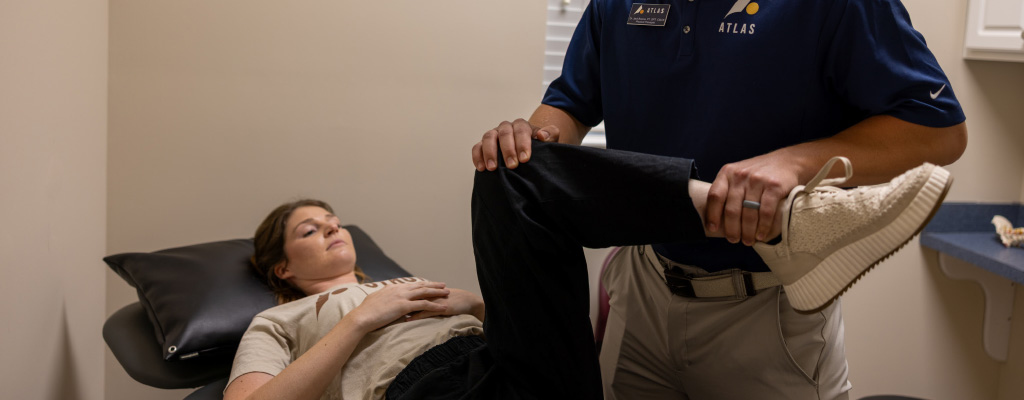
Knee pain improves when we identify what is driving the problem and then build the strength, control, and tolerance needed to handle real-life demands. That means improving mobility where needed, restoring strength, correcting movement patterns, and gradually reintroducing the activities that matter to you.
That process should feel like training with a purpose, not just going through a list of generic exercises.
A good knee rehab plan may include:
Mobility work
Strength training
Balance and control work
Movement retraining
A clear return-to-activity plan
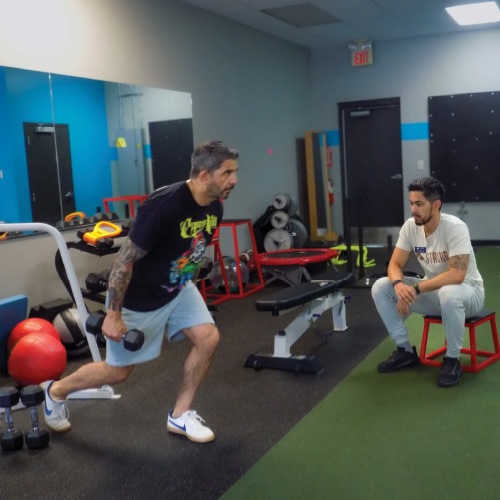
Pain Is Information, Not a Stop Sign
Knee pain does not always mean you need to stop everything. In many cases, the better answer is to adjust the load, improve the mechanics, and build strength in a way the knee can tolerate.
That is where physical therapy should be useful. Not just to reduce pain, but to help you understand what your knee can handle now, what needs to improve, and how to get back to moving with confidence.
For referring providers, this is also where a strong rehab plan can make a major difference. When patients are evaluated beyond the painful joint and progressed appropriately, they are more likely to stay active, avoid unnecessary fear, and return to the level of function that matters to them.
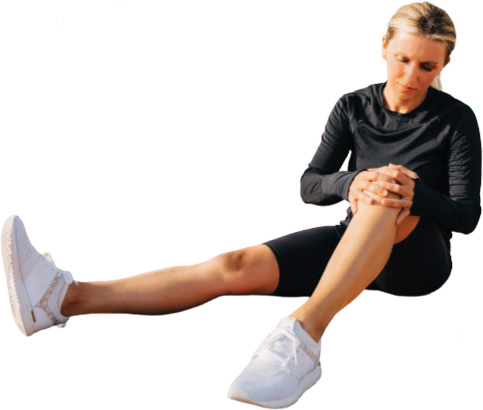
The Bottom Line
Knee pain is common, but it should not be treated casually.
If it is limiting your ability to train, walk, climb stairs, work, play with your kids, or stay active, it deserves a closer look.
The answer is rarely just rest, ice, or hoping it goes away. The answer is understanding the source of the problem, building a stronger system around the knee, and progressing with a plan.
That is how you get back to moving well – and staying there

Your Success Is Our Priority!
Return to Atlas Physical Therapy and Let’s Continue Your Journey to Wellness Together. Schedule Your Appointment Now!
Exercise of the Month
HEEL SLIDES LONG SIT
Start by sitting on the floor with both legs extended out in front of you and your back flat. Loop a strap around your foot on your injured leg and place a towel under your heel. Slowly pull your heel toward your butt by tugging on the strap until you have reached your max comfortable range of motion. Slowly allow your heel to slide back out until your leg is straight.
3 Sets, 10 Reps. (Materials needed: towel, belt)

These brie, asparagus, & prosciutto bundles combine flaky pastry, creamy brie, crisp asparagus, and savory prosciutto into an elegant dish that’s perfect for brunch, appetizers, or a light dinner. Every bite delivers a delicious balance of buttery, cheesy, and savory flavors that feels both comforting and gourmet.
Enjoy This Featured Recipe!
Brie, Asparagus, & Prosciutto Bundles
- 6 Tbsp. unsalted butter, melted
- 1 Tbsp. honey
- 1/4 tsp. kosher salt
- 1 bunch pencil asparagus, ends trimmed
- 1 Tbsp. extra-virgin olive oil
- All-purpose flour, for surface
- 2 sheets frozen puff pastry, thawed according to package directions
- 12 slices prosciutto
- 1 (8-oz.) wheel Brie, cut into 12 pieces
- 1 large egg
- Freshly ground black pepper
Preheat oven to 400° and line 2 large baking sheets with parchment. In a small bowl, combine butter, honey, and salt. In a medium bowl, toss asparagus in oil. On a lightly floured surface, working one at a time, roll out puff pastry to a 15” x 10” rectangle. Cut each into 6 squares for a total of 12. Rotate square to a diamond shape and brush with butter mixture. Top with a slice of prosciutto, folding as needed to fit inside square. Top with a few pieces of asparagus and a slice of Brie. In a small bowl, mix egg and a splash of water until blended. Fold left side of pastry over filling and brush with egg wash. Fold right side of pastry over and brush top and sides with more egg wash; season with pepper. Arrange on prepared sheet. Repeat with remaining puff pastry; reserve any remaining butter mixture. Bake bundles until golden and Brie is melted, about 15 minutes. Brush with more reserved butter mixture before serving.
Thank you for subscribing
to Atlas Physical Therapy
Follow Us on Social Media!

Follow the buttons below to find Atlas Physical Therapy on your favorite social media sites and stay up to date with what happens around our clinic!
The Hidden Connection Between Hip Strength and Knee Pain
When knee pain shows up, most people focus only on the knee itself. While that makes sense, the real source of the problem is often higher up the chain – at the hips.
At Atlas Physical Therapy, we often explain to patients that the body works as one connected system. Your hips play a major role in controlling the position and movement of your knees during everyday activities like walking, climbing stairs, squatting, running, and jumping.
The muscles around your hips, especially your glutes, act as stabilizers. They help keep your pelvis level and your legs aligned when you move. When these muscles are weak or not activating properly, the knee can drift inward or absorb more stress than it was designed to handle. Over time, this added strain can contribute to common issues like patellar pain, IT band irritation, tendon pain, and even increased wear and tear on the joint.
This is why simply stretching your knee or resting until the pain goes away often doesn’t solve the problem long term.
Instead, treatment should focus on identifying why the knee is being overloaded in the first place. Often, that means assessing hip strength, movement mechanics, balance, and overall control.
Strengthening the hips can improve alignment, reduce unnecessary stress on the knee, and help your body move more efficiently. Exercises like lateral band walks, single-leg balance work, step-downs, and targeted glute strengthening are often key parts of a successful rehab plan.
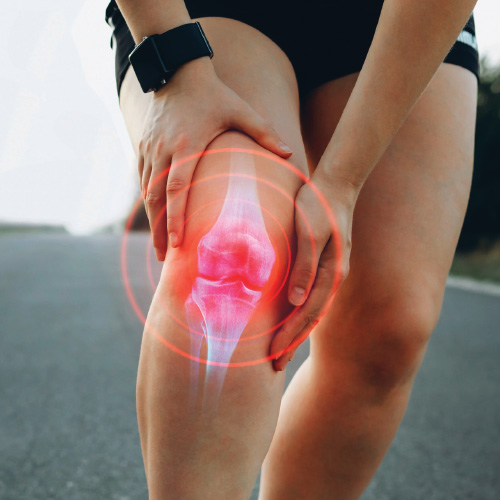
Whether you’re a runner, pickleball player, gym-goer, or just trying to stay active without pain, addressing hip strength can make a significant difference.
If knee pain has been slowing you down, the solution may not be where it hurts. Sometimes the key to healthier knees starts at the hips.
Refer a Friend

If you’ve experienced the outstanding care at Atlas Physical Therapy, why not share it with your friends? Referring them means giving them access to personalized treatment that can make a real difference in their health and well-being. Help them find a trusted healthcare partner—refer a friend to Atlas Physical Therapy today!