You’ve just gotten off work after a long day spent in front of your computer, and your neck aches. It seems logical to assume that’s where the problem lies. But what if the real issue is actually somewhere else?
It may sound surprising, but sometimes, persistent neck pain actually has its origins in your upper back. Understanding the link between neck pain and weakness in your upper back can help ensure you address the specific factors contributing to your discomfort so you can enjoy long-term relief.
Why Your Upper Back Matters More Than You Think
The back and upper back actually work together as one system, with the back providing a stable base for the neck and shoulders. Strong muscles between the shoulder blades help maintain alignment while supporting everyday movements like reaching, lifting, driving, and working at a computer.
However, when those muscles lose strength or endurance, several things can happen. Your shoulders gradually round forward, shifting your head farther forward, in front of your body. As a result, your neck muscles have to work harder to keep your head upright.
Over time, this extra demand can contribute to several neck-related symptoms, including:
- Muscle tightness and fatigue
- Reduced range of motion
- Frequent tension headaches
- Pain with prolonged sitting
- Increased soreness after lifting or overhead activities
How Does the Upper Back Become Weak?
Prolonged Sitting
Poor Mobility In the Upper Back
Limited Strength Training
Previous Injury
Daily Habits

Restoring Strength to Your Upper Back with Physical Therapy
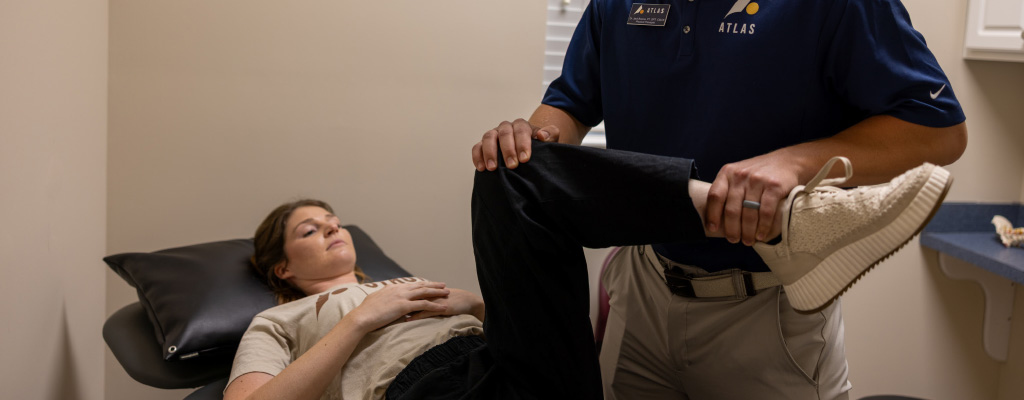
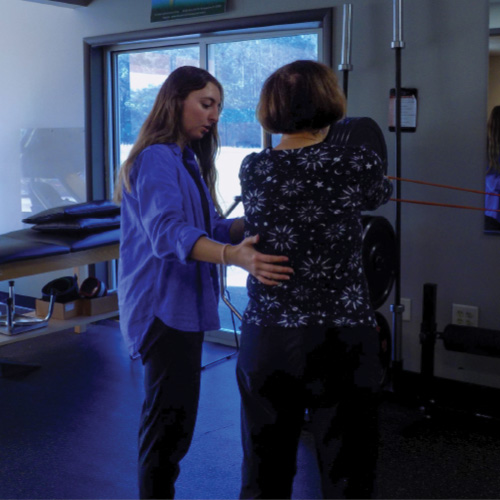
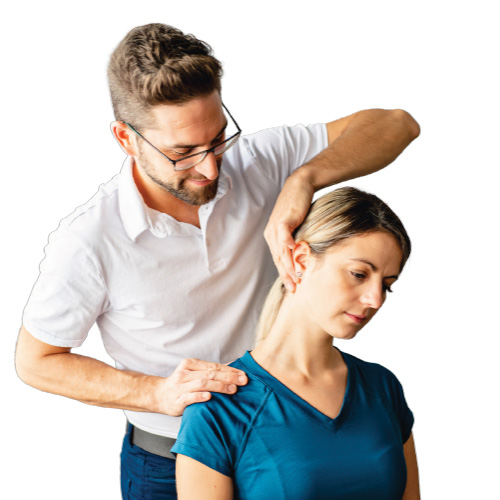
At Atlas Physical Therapy, our team understands that the location of pain isn’t always the source of pain. That’s why your care will always begin with a detailed assessment of your entire upper body. We’ll evaluate how your neck, shoulders, and upper back work together to identify daily habits that are placing extra physical strain on your tissues and may be contributing to ongoing symptoms.
From there, we’ll create a personalized treatment plan that pulls from several targeted techniques, including:
• Mobility exercises to improve movement through the upper spine and reduce unnecessary stress on the neck.
• Progressive strengthening exercises to improve the endurance of the muscles that support the shoulder blades and upper back.
• Neuromuscular reeducation, which helps retrain muscles to work together during everyday activities.
• Functional exercise progression that builds strength for work, recreation, and daily activities.
• Education on movement strategies that reduce unnecessary strain during work, exercise, and daily tasks.
Rather than treating your symptoms alone, our goal is to improve the way your entire movement system functions. Better strength, improved mobility, and more efficient movement can reduce neck stress and help prevent recurring pain.
Stronger Support Leads to Less Neck Pain
A painful neck is not always the source of the problem. In many cases, weakness in the upper back changes how your body supports the head and shoulders, placing extra demands on the neck throughout the day.
Addressing those underlying movement deficits can improve comfort, restore function, and reduce the likelihood of future flare-ups. If neck pain has become part of your daily routine, an evaluation at Atlas Physical Therapy can help identify the contributing factors and create a treatment plan that targets the source of the problem rather than simply masking the symptoms.
Contact us today to discover the source of your neck discomfort and start the journey to lasting relief!

Your Success Is Our Priority!
Return to Atlas Physical Therapy and Let’s Continue Your Journey to Wellness Together. Schedule Your Appointment Now!
Exercise of the Month
NECK GLIDE
Stand tall with your shoulders relaxed and your head in a neutral position. Gently draw your head straight backward, keeping your chin level—like you’re trying to make a double chin. Avoid tilting your head up or down. Hold briefly, then return to the starting position.
3 Sets, 10 Reps.

Fresh tomatoes, creamy mozzarella, fragrant basil, and toasted French bread come together in this classic Italian-inspired appetizer that’s perfect for summer entertaining.
Enjoy This Featured Recipe!
Tomato, Mozzarella & Basil Bruschetta
- 1 (32-oz) can whole tomatoes, drained
- 1 cup fresh basil leaves
- 4 tbsp extra-virgin olive oil
- 6 cloves garlic, peeled
- Kosher salt & freshly ground black pepper
- 2 large French baguettes, sliced 1-inch thick (about 36 slices)
- 1 1/2 lbs fresh mozzarella cheese, sliced 1/4-inch thick
Preheat oven to 375 degrees F. In the bowl of a food processor, add drained tomatoes, 1 cup basil leaves, olive oil and 2 cloves garlic. Pulse until smooth, but somewhat chunky. Season with salt and pepper. On a baking sheet, line up baguette slices. Toast in oven for about 3 minutes. Working quickly, rub the remaining garlic on the toasted side of each slice and then lay a piece of mozzarella cheese on top. Place bread back in oven for about 45 seconds. Remove from oven and spread one tablespoon of the tomato mixture on each piece. Place bruschetta on decorative platter and garnish with basil leaves.
Thank you for subscribing
to Atlas Physical Therapy
Follow Us on Social Media!

Follow the buttons below to find Atlas Physical Therapy on your favorite social media sites and stay up to date with what happens around our clinic!
Are These Gym Habits Making Your Neck Pain Worse?
Hitting the gym is a great way to improve your overall health and wellness. Unfortunately, some habits among gym-goers can aggravate issues in your neck or upper back.
The next time you’re in the weight room, watch out for these common mistakes so you can work to correct them with a few simple adjustments.
Three Common Gym Mistakes That Can Aggravate Neck Pain
1. Shrugging Your Shoulders During Weightlifting
Many people unconsciously lift their shoulders during common lifts like rows, presses, and curls, which can overwork the muscles at the top of the shoulders and neck, making them feel tight and fatigued.
Do This Instead
Focus on keeping your shoulders relaxed and your shoulder blades gently pulled down and back throughout each movement.
2. Skipping Exercises That Strengthen The Upper Back
Prioritizing chest, shoulder, or arm exercises while neglecting the upper back forces your front and back muscles to share weight unevenly. This can create muscle imbalances that can potentially lead to stiffness and neck pain.
Do This Instead
Include exercises that target the muscles between your shoulder blades, such as rows and face pulls, to improve stability and reduce neck stress.

3. Holding Your Head in the Wrong Position
Looking up during squats or craning your neck during planks can place extra stress on the cervical spine, the portion of the spine in your neck.
Do This Instead
Aim to keep your head aligned with the rest of your spine throughout each exercise.
Build Strength Without Increasing Pain
The right exercise program should strengthen your body, not aggravate your symptoms. At Atlas Physical Therapy, our physical therapists can assess your lifting form and suggest specific exercises to help reduce pain or other concerns. Schedule an appointment today to learn more.
Refer a Friend

If you’ve experienced the outstanding care at Atlas Physical Therapy, why not share it with your friends? Referring them means giving them access to personalized treatment that can make a real difference in their health and well-being. Help them find a trusted healthcare partner—refer a friend to Atlas Physical Therapy today!